It would be... unfortunate... if the truth leads to downvotes. If it is really the case that people downvoted for that reason I would really like to know the reason why as it would indicate either a failure of their history teachers or an ideological stance.
Because its an irrelavent inflamatory political dig. How true it is is beside the point.
As an example with a different context, if someone was talking about the efforts of the Bill and Melinda Gates foundation to eliminate malaria, and then in the middle randomly added a dig about how MS had mean bussiness practises in the 90s, i would also downvote them, regardless of how true that might be.
Surely there exists better terminology for this than a highly regionally contextual qualifier. Perhaps democratic socialist, or social democrat, or something involving welfare? Overloading the word with other meanings just adds fuel to the fire of inaccuracy and hyperbole in political discourse, perhaps recently most often in the US.
I think the word you wanted to describe the USSR was "communist", there west is full of countries with socialist social welfare systems that genuinely care for their citizens
Yep, I replied to the other comment but I'll concede that I was using this term too specifically and inaccurately.
In any case, my point wasn't in opposition to the social welfare systems in Scandinavian countries, for instance, as I'm at least reasonably familiar with the services they provide to citizens which generally seem to genuinely work as you said.
I totally agree with you, but it is not useful when talking in the US today. Socialist/socialism means communist here and is mostly just a swear word. The distinction between capitalist socialism and authoritarian communism is often ignored although the systems really have nothing in common.
because what the fuck do two department stores have to do with state owned means of production? somehow anything that's the slightest bit off shows that sOcialISm iS eViL but the same kind of bad faith reading of any of the structures of capitalism is explicitly forbidden.
do you know what socialism means? also what he/she claims isn't in fact true. one of the two chains did allow normal people to shop there
>One chain belonged to the Vneshposyltorg (Foreign Mail Order Trade) and was intended for Soviet citizens who received some income in foreign currency. Some of them were forced to sell their currency for ruble-denominated Vneshposyltorg checks, while others never laid their hands on foreign currency, receiving their pay from Western sources in Vneshposyltorg checks via Soviet intermediaries (which, again, allowed the foreign currency to stay in Soviet government hands). The checks were to be used to purchase goods in the Vneshposyltorg Beriozkas.
but like i said feel free to keep perpetuating these bad faith interpretations
I grew up in the Soviet Union though. As they say in Russia, "не учи отца ебаться".
My parents have never been inside a Beriozka, nor any of my relatives. Shopping there presented an economic impossibility: you either had to have foreign currency (outright illegal for Soviet citizens, with severe punishment for possession, so that meant you'd be a foreigner) or convertible rubles ("invalutny ruble", not illegal, but impossible for a regular Ivan to acquire due to the aforementioned illegality of foreign currency). 99.999% of soviet citizens _did not_ receive income in "foreign currency", and by definition "invalutny ruble" could only be bought with foreign currency. Or just handed out to a party apparatchik through other mechanisms. Those folks weren't suffering at all, best everyone else could tell.
Out of curiosity, ребята, three questions about Иван Васильевич меняет профессию:
(a) which currency would Shurik have used when buying transistors (~45 minutes)? I'm assuming he would've used regular rubles if he'd managed to find them in a shop, but since he was buying from a dubious looking source (Бери шинель?) would he have needed other currency?
(b) when Иван Грозный discovers the elevator (~24 minutes), is his sign of the cross period, or anachronistic?
(c) as for the pen Милославский gives to the ambassador (~1 hour) ... were those available for rubles?
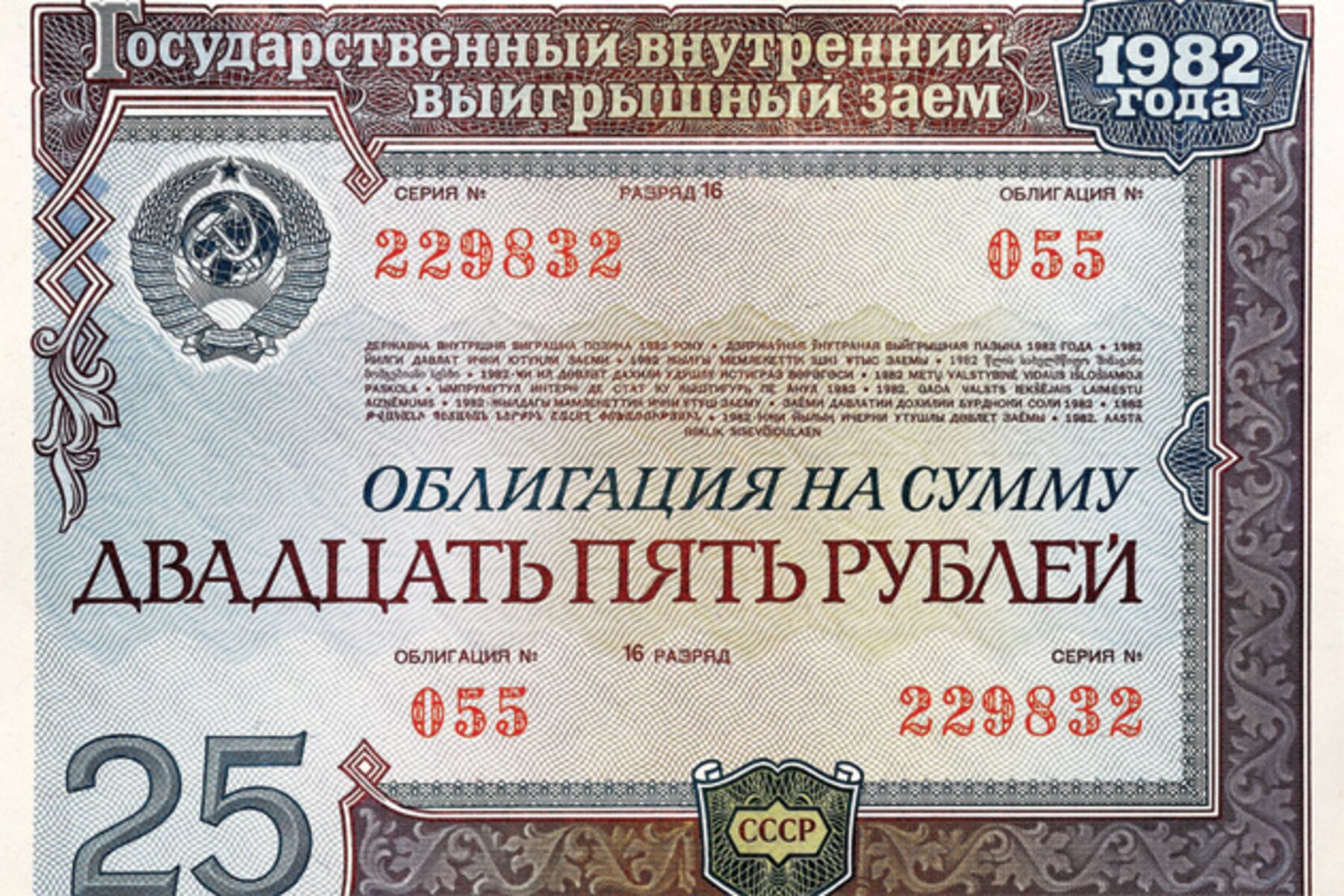
Haven't watched it in decades, so thanks for time references. The currency question is easy: in the USSR there was nothing other than Soviet Rubles. There was no other currency, dubious source or not, especially for a ботаник from a НИИ like Shurik. The thief scene here (https://youtu.be/a50qT9bW2Qo?t=856) shows what I assume are government bonds, not currency. My parents never had those and I've never seen them in person. Showing any kind of illegal currency manipulation was out of the question in a movie like this.
Sign of the blessing cross does not look too authentic to me, but orthodox blessing _is_ given with three closed fingers IIRC (I'm not a person of faith myself), to signify Trinity, as far as I understand.
The pen was likely brought from abroad, as were some other stolen items. Soviet government would not allow such a frivolity to be manufactured.
i grew up in the soviet union too. даже если мы согласны с тем что коммунизм не был идеальным это не значит что берёзки доказывают это. so my point still stands.
bruh. is the RF better or worse now? how are those term limits working out for you? was the west better or worse during the years 1932-33 during the famine (the same years that the US hit peak unemployment)? were the pogroms and the gulag better or worse than jim crow and segregation and racism? was state owned means of production better or worse than the gilded age?
like you're sitting here glibly dismissing something that's more nuanced than either yours or my hottake. what are you trying to accomplish?
edit: also how come you translated mine but not yours? and also why didn't you translate all the way?
>даже если мы согласны с тем что коммунизм не был идеальным это не значит что берёзки доказывают это
translation: even if we agree that communism wasn't ideal that doesn't mean beriozkas prove it.
State owned production and distribution. The things these markets sold were (most likely) not state produced or distributed, since they were Western goods.
"a political and economic theory of social organization which advocates that the means of production, distribution, and exchange should be owned or regulated by the community as a whole."
Private enterprise isn't the community. I'll admit that the state isn't the only way these things can organize, but it is probably the most common (excluding groups like the Mennonites)


I'll violate the rule but I'll comment you were probably downvoted because of this part of your comment.