While the article makes good points, I simply find it amazing that a programming user interface (with small changes) has been around for so long: I think kit was in 1983 that Xerox Special Information Systems provided me with a free 1 month Smalltalk license for my Xerox 1108 Lisp Machine. That Smalltalk interface is amazingly similar to Pharo Smalltalk which I still occasionally use.
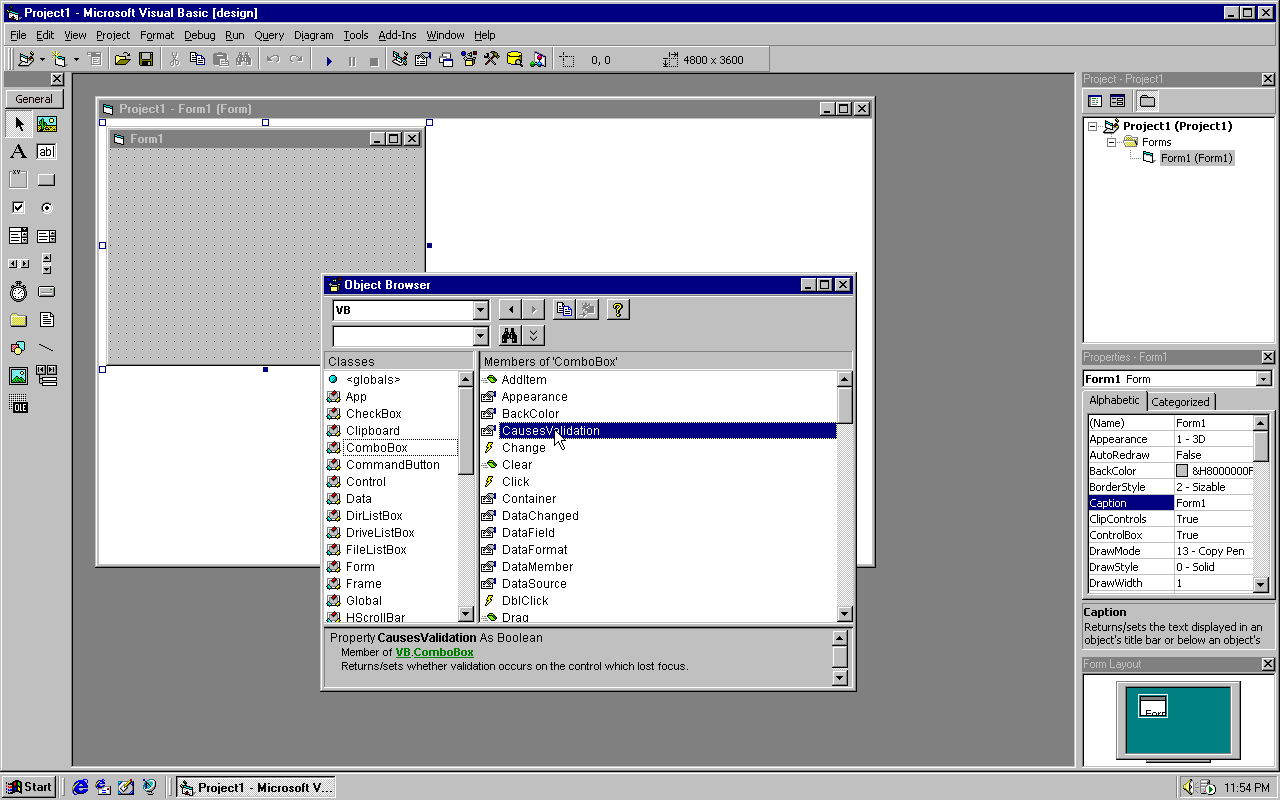
I might have been misremembering, because I thought there was a three-pane browser and this one is two-pane, but I think this is what I meant: https://files.catbox.moe/0sdvpz.png (View > Object Browser or F2).
When the competition was the state of C and C++ compilers in 1996 for portable code, even across UNIX flavours, many improvements over that made it tolerable, people were already adopting it even with a plain interpreter, JIT only landed on version 1.3, 5 years later.
Note C creators didn't kept following up on ISO, Plan 9 and Inferno lacked C++ support, and they rather came up with their Java competitor in Inferno with Limbo, and Dis eventually also supported Java.
I still can't get java2dis (or whatever is calling) running into Inferno. Which might be interesting as I still have an old as hell Java point and click adventure game (made with a semi-infamous one in Spain from back in the day for amateur/indie games). I think it was done with Java 1.2/1.3.
Current JRE/JDK's run it in a bad way (threads get borked) since Java 1.6/OpenJDK 7 I think. Now, if Inferno supported Java 1.4 or something close to the old Kaffe+Jikes it would be really nice to get legacy stuff working.
From the surviving documentation it appears it was based on Java 1.1.3, and called j2d, which ironically it is similar to what Java to Dex ended up being on Android.
I worked as a Smalltalk developer for a few years, and it spoiled to such an extent that I’ve tried to make an extension for IntelliJ to replicate the browser for Java development. Maybe I should revive that project, actually…