I always look at the ingredients list of bread in the US and I am always surprised how long the list is. Why do they put so much stuff (and always sugar or syrup) into any bread?
Modern bread (including in those other countries without the additives mentioned in this article) isn't generally yeast risen. Yeast is added for flavour only. Expensive breads are different but the regular stuff you buy in supermarkets is agitated with hardened fats to trap air. Yeast not involved.
This changes many of the properties of the bread and the long-term effects of this change aren't well understood.
No knead bread is really easy to make, low effort, ridiculously cheap and able to fit into a busy lifestyle. It uses long fermentation with yeast to rise and condition the dough. I use this recipe: https://www.seriouseats.com/recipes/2010/03/basic-no-knead-b...
Is it just me or does that Wikipedia article never really explain how the process works? It says three times that it 'allows the use of lower-protein wheats', but I can't see where it says how. (Your comment does explain it.)
I was surprised to see how much sugar is in bread in the US compared to the bread I buy in Canada (specifically grocery store "bagged bread"). The sweetness makes it taste awful, and hides the taste of the wheat and different grains.
It's also crazy hard to find bread _without_ sugar. I get that some will be in there for color / browning during cooking, but the amounts that are present in the average loaf are insane. I've had loafs that were like 5% sugar by weight (as measured from my kitchen scale + food label).
Most of the ingredients are for longer shelf life since they are shipped from large factories. You can get bread with fewer ingredients which tend to be from local smaller scale operations. As for sugar it might just be taste preferences in the US. I'm sure the manufacturers do market testing.
While I would agree that store-bought bread in the US contains far, far too much sugar (which is why I started baking bread myself in the first place), some amount of sugar is almost always required for leavened bread. The added sugar is what the yeast feeds on initially, since most flour won't provide enough easily-digestible sugars for the yeast. However, the amount of sugar required isn't much; my go-to recipie calls for 1 tablespoon of molasses for a 1.5lb loaf of rye/buckwheat loaf.
As to the length, for example the ingredient list of wonderbread from [0]:
  unbleached enriched flour (wheat flour, malted barley flour, niacin, reduced iron, thiamin mononitrate, riboflavin,
  folic acid), water, high fructose corn syrup, yeast, contains 2% or less of each of the following: calcium carbonate,
  soybean oil, wheat gluten, salt, dough conditioners (contains one or more of the following:
  sodium stearoyl lactylate, calcium stearoyl lactylate, monoglycerides, mono- and diglycerides, azodicarbonamide,
  enzymes, ascorbic acid), vinegar, monocalcium phosphate, yeast extract, modified corn starch, sucrose, sugar, soy lecithin,
  cholecalciferol (vitamin d3), soy flour, ammonium sulfate, calcium sulfate, calcium propionate (to retard spoilage).
In order, the oil is for crumb texture and added fat, the salt is to regulate yeast growth, the gluten is to allow the crumb to hold together better (especially as most of the naturally-occuring gluten is removed from white flour). The dough conditioners are used to get the horrible texture that people expect from wonder-bread, as well as making it easy (read: extremely consistent) to bake at massive scale. The rest are preservatives & nutrient enricheners. The preservatives allow the bread to last long enough to make it to a supermarket; fresh-baked bread spoils extremely quickly.
As far as what is actually needed to make the white bread, for the white bread I bake on occasion all that is used is flour, sugar, gluten, oil, yeast and salt in order of volume. Note however that this bread will only last a few days; and ideally will be consumed the same day as baking.
> some amount of sugar is almost always required for leavened bread
You don't need added sugar. Flour contains amylases which break down some of the starch in the dough to maltose and glucose, which is more than enough for the yeast.
The bread we eat only contains flour, yeast, salt and water. It's delicious in the first day and still nice on the second; after that, we toast it.
Some of it, because they are required to, by law. Some of it, because they are allowed to, by law.
Usually, whenever you see sugar added where it is not necessary, it's because fat or salt was removed from the recipe, to "improve" the numbers on the nutrition panel. And then you have to add the fat and salt back in yourself later, with butter or mayo or something.
You can't reliably and conveniently get "good" bread in the US unless you own a bread machine, and even then you have to pick out your flour carefully. I knew someone that had a grain mill attachment for their electric mixer, so they could make their own whole-grain flours, and be able to trust that they were what they appeared to be. Eventually, that became too inconvenient, and they just stopped eating bread altogether.
> You can't reliably and conveniently get "good" bread in the US unless you own a bread machine, and even then you have to pick out your flour carefully.
Or live near a Trader Joe's or Whole Foods. They're not that unusual.
Ezekiel bread (toasted) is the best one can do at US supermarkets. It doesn’t compare to whole grain sourdough breads one can easily get in parts of Europe but it is ultra healthy and quite good tasting if you toast it.
At some point "good" bread goes to "no true Scotsman" bread.
The point is that for loaf bread, a staple food for much of civilization, you have to go out of your way and make a special effort in the US to find something of similar quality to that which is the default at food merchants in other parts of the world.
As I don't have a Trader Joe's or Whole Foods anywhere near me, I can't speak to the quality of their bread offerings. At Kroger or Publix or Piggly Wiggly or Target or Wal-mart, the bagged & sliced bread quality is so far below the basic-recipe bread machine loaf that the only reasonable use case for it is to make sandwiches, where the purpose of the bread is to have a neutral flavor, and keep the other ingredients together and off your hands--a task which might still be better suited to a tortilla or cabbage leaves.
Ezekiel bread suffers from the "lifestyle aisle" problem at most grocery stores. To the store management, it isn't a "bread" as much as it is "alt-healthy lifestyle food". You don't even know it's there, unless you happen to notice it in the fridges next to the kombucha, kefir, cage-free barn-free pastured free-range eggs, and organic juice brands. If you were shopping for "bread", you would probably miss it, because it's nowhere near the bakery or the other breads. So "normal" people don't buy it, and then the store drops it from lack of sales.
>. And then you have to add the ... and salt back in yourself later, with butter or mayo or something.
Sounds like you're addicted to salt. Have you tried food without salt? After couple of weeks your taste buds adapt and you can actually taste the food.
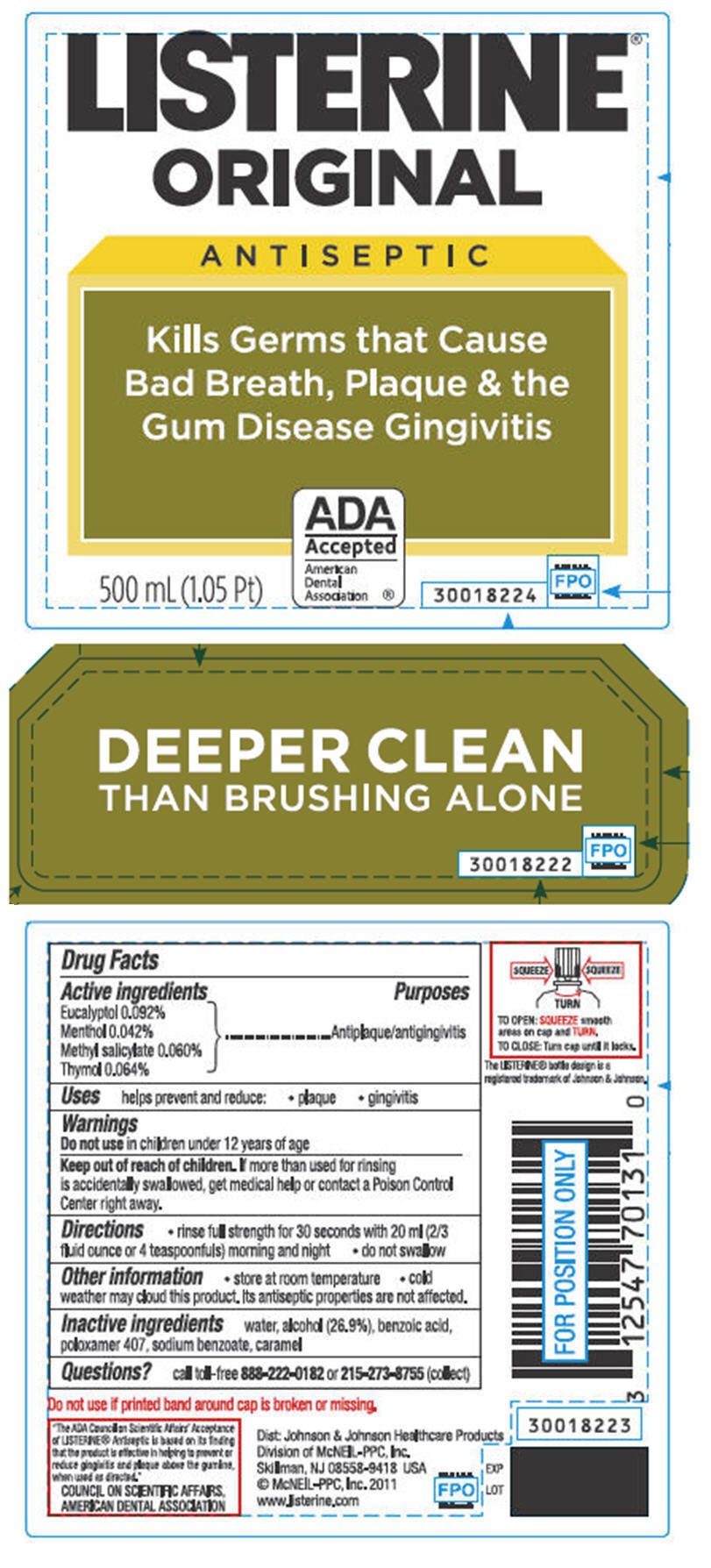
What terms did your google search use? A quick google for "listerine ingredients" brought up a label [0] that shows caramel (sugar) as an inactive ingredient. Only one I could find though. Most others however do seem to use artificial sweeteners
"Caramel" in this case likely refers to caramel color. While it is still made from sugar, I doubt there's a significant enough amount to consider it "added sugar". If you look at the other colors of Listerine, there is no caramel listed.
Rechecked some of the more ridiculous mouthwash (sweet ice tea, lemon flavored) and you are right about sugar, its "only" artificial sweetener - saccharin.
I do not know anything about these chemicals in particular, but this framing:
> It may sound odd, but in America, your loaf of bread can contain ingredients with industrial applications – additives that also appear in things like yoga mats, pesticides, hair straighteners, explosives and petroleum products.
always bugs the hell out of me.
Water has numerous industrial applications. Linseed oil and NaCl have numerous industrial applications. Acting like any chemical which can be used in an industrial context is automatically poison is just straight-up fear-mongering.
A particularly egregious case[1] is a lawsuit against LaCroix complaining that their product contains chemicals also used in cockroach insecticide. The chemical in common was linalool, which is just a floral scent!
I agree in general but in this case, they detailed specific health concerns for two specific chemicals in the next three sentences, so it seems like a fairly minor offense.
It doesn't mention the all important dosage, very often studies that show "has been linked to kidney and thyroid cancers in rodents" have the mice eating their own body weight of the substance in order to have a noticeable effect.
That is exactly an example of fear-mongering. "We haven't fully tested nearly 40,000 'chemicals,' so we should assume the worst!"
I make no judgement on whether the numbers are correct, nor on whether any of the substances in question are dangerous or benign. I state only that describing a lack of information as a problem is fear-mongering.
> That snippet seems to clearly demonstrate that it is not fear mongering
It demonstrates nothing. There is no citation, there is no definition of what the EPA tests for (vs the FDA or anyone else), what human safety means. A once over interpretation of a throwaway line is not "clearly" proof of anything in any forum.
You might be interested in the book "White Bread: A Social History of the Store-Bought Loaf" by Aaron Bobrow-Strain
A lot stems from the late 18th century concern that filthy immigrants were making unhealthy food in local bakeries. It was better -- so they said -- to eat mass-produced breads baked into identical loaves with small, evenly distributed air holes by clean machines and in a pure, clean white color to make it clear there weren't any bugs or other impurities.
From there it was a process of mass industrialization and tweaking the ingredients to minimize costs and optimize baking times.
I've heard of many shitty foods like that spray can cheese that Americans eat, and cringed hard at them, but I've always assumed they can also get good stuff if they want to. If they can't, though, that's honestly very grave.
Bread in the US, and to be fair a lot of of supermarket bread in a lot of countries (UK, Australia, I'm sure tons of others) has a variety of ingredients added to help keep the bread "fresh". It used to be common to buy fresh baked bread on a daily basis and only use it during that day, or perhaps a day or two afterwards. There are still some places in the Western world where this is common, for instance in Munich, Germany you can't walk more than a couple of blocks without finding a bakery with fresh bread for relatively cheap prices. In the US and UK fresh bread is now a luxury item and can be quite expensive compared to the bread laced with preservatives to keep the bread "fresh" for a couple of weeks.
The trouble with a lot of UK "bakeries", unless they are not part of a chain, is they don't actually make anything. They just oven finish part-baked factory crap, or bake factory dough. So all it gets you is different branding on the plastic bag to go with the mass-produced taste.
A proper family bakery where bread is just the 4 basic ingredients or sourdough etc, and the pastries and cakes taste home-made can be really hard to find now.
Greed. There's no simpler explanation. It starts with trying to find bread-like material that tastes even better. You can do so by adding sugar. You want it to last even longer on the shelves so you make it non-perishable with chemicals that weren't previously used in food that are just grandfathered as "safe" to appease industry.
That assumes that people in the US are greedy and not in other places. I think one can are that every other place had some sort of efficient mechanism to stop that greed.
If the US is the outlier the question should be what condition that are US specific made it happen, not a general concept like greed.
Long distances and shipping times, the lack of a coherent food culture, the demand for cheap food, the destruction of culinary standards between 1930 and 1960.
After the depression and the war, we started eating a lot of frozen dinners and other cheap crap. That meant an entire generation just didn't know how to cook anything but subsistence foods.
"Factory" bread can be "disgusting" because it's made to feed the masses and gain market share, not taste good. For the same reason hamburgers at McDonald's are not as good as those made at a quality restaurant or at home.
Good bread, as with any good food, typically takes time and quality ingredients. You won't find that in mass produced food. That costs too much.
Good, fresh bread can be produced cheaply. When I lived in Spain I could buy a large, fresh, delicious baguette on almost any street corner for about $0.55.
The problem is that after about 24 hours it gets hard and after 48 it's basically inedible. So your diet needs to include a lot of bread or else you end up wasting a fair portion of every purchase.
I bake sourdough and other breads every other day at home but baguettes are one bread I have not been able to get right yet though I haven't spent enough time trying to figure it out. I know there must be one simple step I'm not doing or doing wrong.
And it's also available on every street corner (an exaggeration I know) managed by shopkeepers who stayed up all night but they aren't feeding millions of people.
Pretty sure the two chemicals they are talking about in the article are in a lower WHO risk category in then bacon, salted fish, and alcoholic beverages.
The FDA may be underfunded and overwhelmed but I'm not yet feeling terrible about buying bread in the grocery store.
Doesn't it simply come down to the EU applying the precautionary principle for all safety regulation, including food additives, whilst the US does not?
The ratings agencies should be a warning here. Whatever you do you need to make sure some rules are set and followed. Otherwise money slowly will erode trustworthiness. And there is a lot of money in pushing out bad products.
America doesn't suck, I spent the last 6 months in the EU and I miss what we have here. That said, the issue you are talking about is directly related to large corporate profits.
A hard reset is what it will take to change that.
I do not refer to socialism either. Taking the power back from the govt and the corporations they empower is the key.
If only we had some field of science that studies toxins, We could call it Toxicology.... All joking aside Alcohol is classified as a group 1 carcinogen and the Europe has yet to ban it
garbage website, I flag anything from the guardian and suggest that everyone who wants HR to remain valuable do the same. This goes for and any non-specialized, non-hacker, commercial media, and politics-first sites.
Europeans are much more susceptible to green activist pseudoscience. For example the ban on GMO's which was driven by ideology not science; or vaccination rates etc.
Businesses can add/use any chemical for food and food production until quite some time after it has been proven unsafe. It's no wonder that consumers in EU and elsewhere have grown quite suspicious of industrial 'advances', and that sometimes can lead to unscientific policies.
If businesses would have to prove safety in advance, and be liable for unforeseen damage, that would be much better.
This Guardian article quotes the "food babe". Food babe also had this to say about flying on airplanes "The air that is pumped in isn’t pure oxygen either, it’s mixed with nitrogen, sometimes almost at 50%. To pump a greater amount of oxygen in costs money in terms of fuel and the airlines know this!"
(actual nitrogen percentage in air: 78%)